A field guide for Centennial apartment teams
Odor work that fits a Centennial make-ready
Paint is booked and a unit still smells of smoke. This guide shows where odor work belongs in a turn, how to flag it unit by unit, and what to ask before you sign a vendor.
Rule one Treat before paint. Primer rolled over smoke residue can bleed through again.
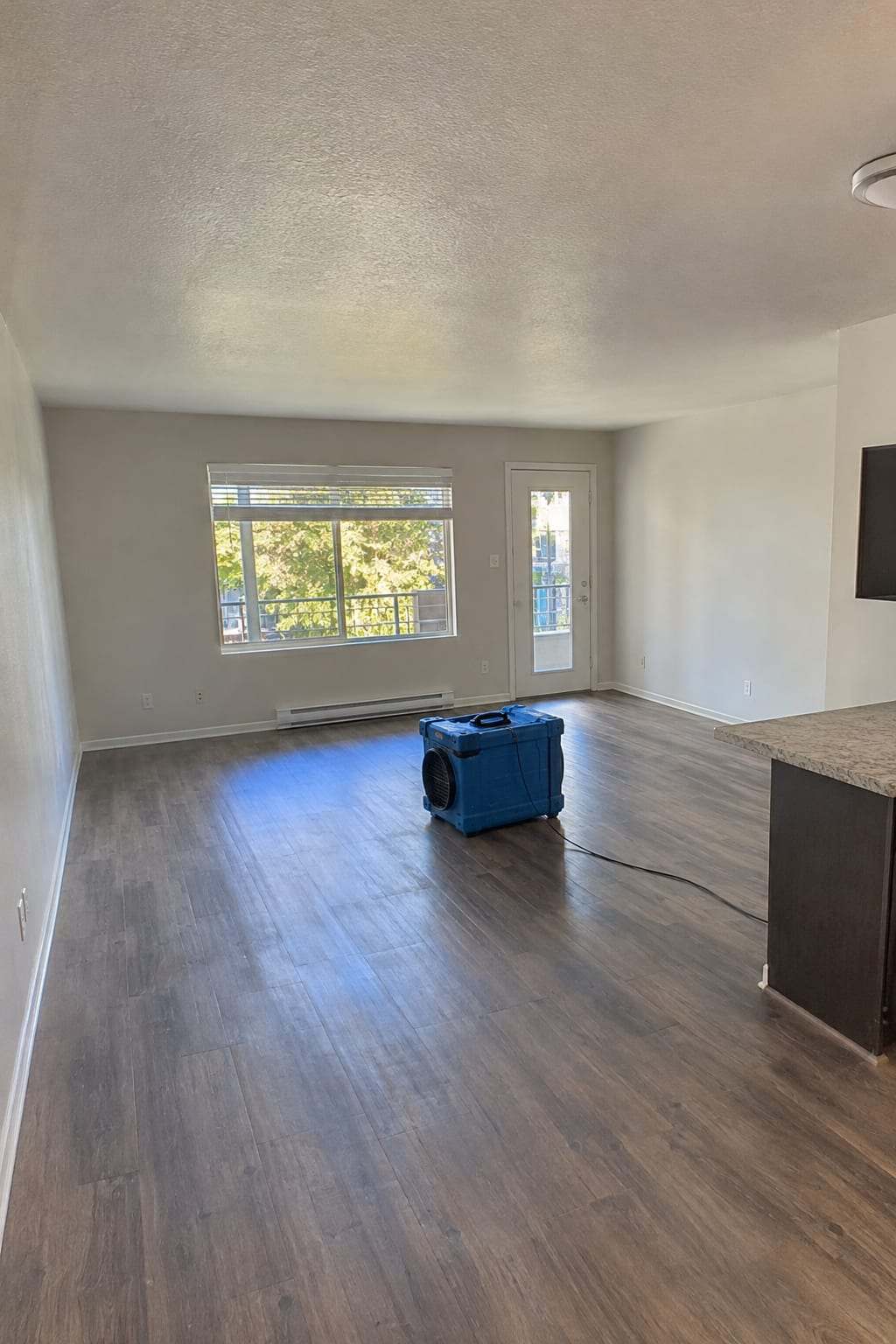
The make-ready item a carpet clean can't fix
Paint, carpet and repairs run on a fixed calendar. Odor ignores it. Smoke film bleeds through fresh paint, cannabis resin coats blinds and closet shelves, and years of frying settle into cabinet backs and the range hood.
The fix follows a set order: assess the unit, write down what has to come out or be treated, then do the work inside the make-ready window. Some units also need a controlled whole-unit treatment with time to air out.
- Fixed calendar
- Paint, carpet and repairs book weeks out, in a set order.
- Odor ignores it
- Smoke film, cannabis resin and cooking grease survive a standard clean.
- A set order fixes it
- Assess, scope, treat, then air out, all before the painter arrives.
Where odor work sits in a turn
Five steps, slotted between the move-out walk and the painter. The amber stretch is the odor work. It ends before paint starts.
- 01
Move-out walk
Walk every unit and flag the ones that smell before anything gets booked.
- 02
Assess
Find the sources and the materials holding the smell, during or right after the move-out walk.
- 03
Scope
Get a written scope and quote that names each source and fits your make-ready dates.
- 04
Treat sources
Pull or treat the affected materials, then clean and seal the surfaces that need it.
- 05
Whole-unit treatment
When the unit calls for it, run a controlled chlorine dioxide treatment, then air the unit out.
- 06
Release
Hand the unit back for paint and final clean on the date you planned.
- 07
Paint and final clean
Paint goes over clean, sealed surfaces. Final clean closes the turn.
This is an order of work, not a timeline. Your turn calendar sets the days.
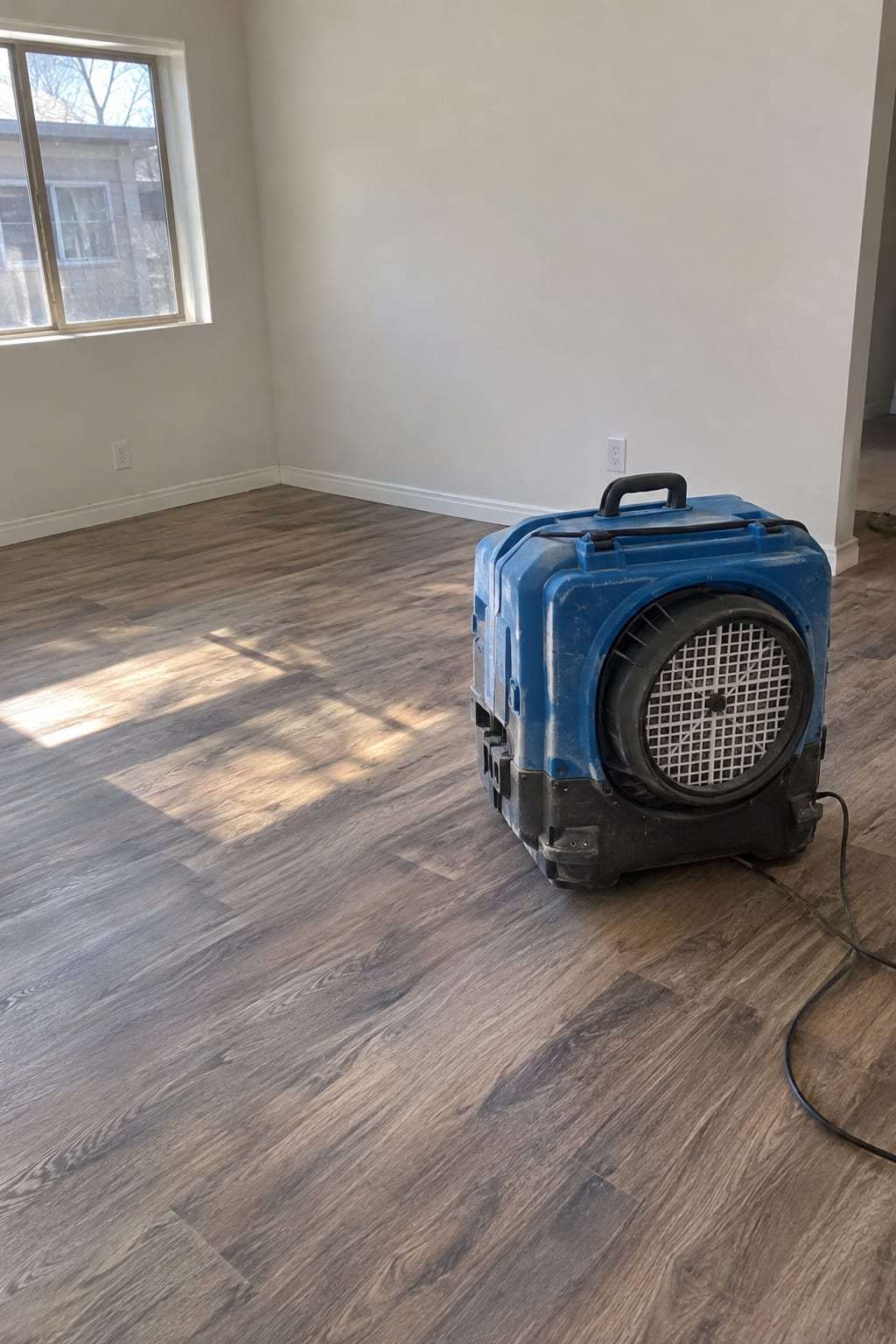
Flag it at the walk. Treat it before paint. Air it out before anyone signs a lease.
Unit by unit
Three rules for the turn calendar
Most turns need no odor work at all. The ones that do usually announce themselves at the move-out walk: the smoker's unit, the musty unit after a leak, the kitchen that fried every night. Flag those early and the treatment slots in without holding up the rest of the building.
Do
- Flag odor at the move-out walk, before anyone books the painter.
- Put odor treatment ahead of paint and carpet cleaning on the schedule.
- Block out air-out time for any whole-unit treatment.
Don't
- Paint a flagged unit before treatment. Smoke residue bleeds through.
- Cover the smell with fragrance. It masks the source and leaves it in place.
- Hold the whole building. Flag the units that need odor work and turn the rest.
Units worth flagging at the move-out walk
- Yellow film on walls or ceilings in a unit leased as non-smoking.
- A sharp, sweet smell near a wall, vent or ceiling that points to a dead rodent or bird.
- Cooking grease in cabinet backs and on the range hood filter.
- A musty smell in a unit that sat empty for weeks.
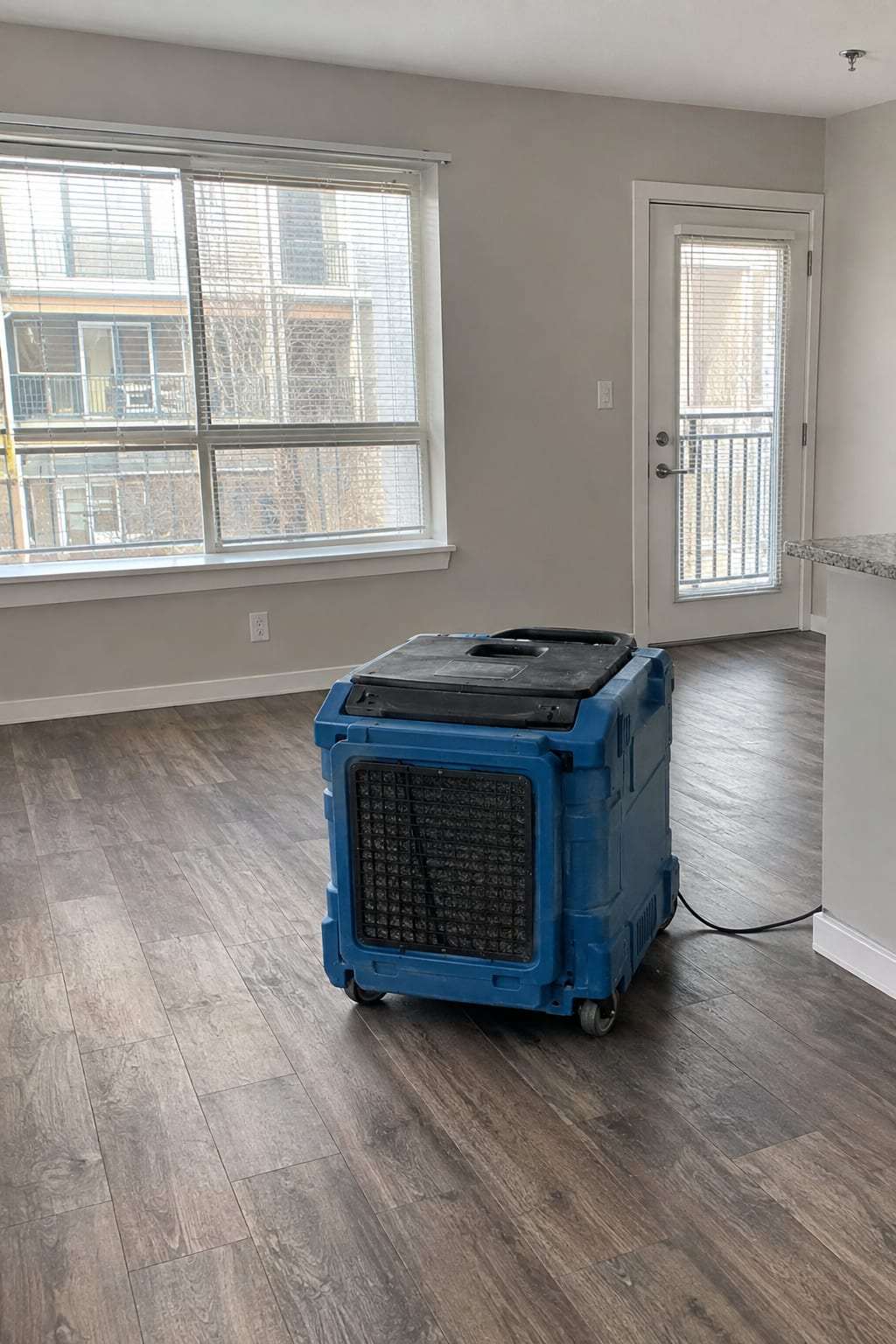
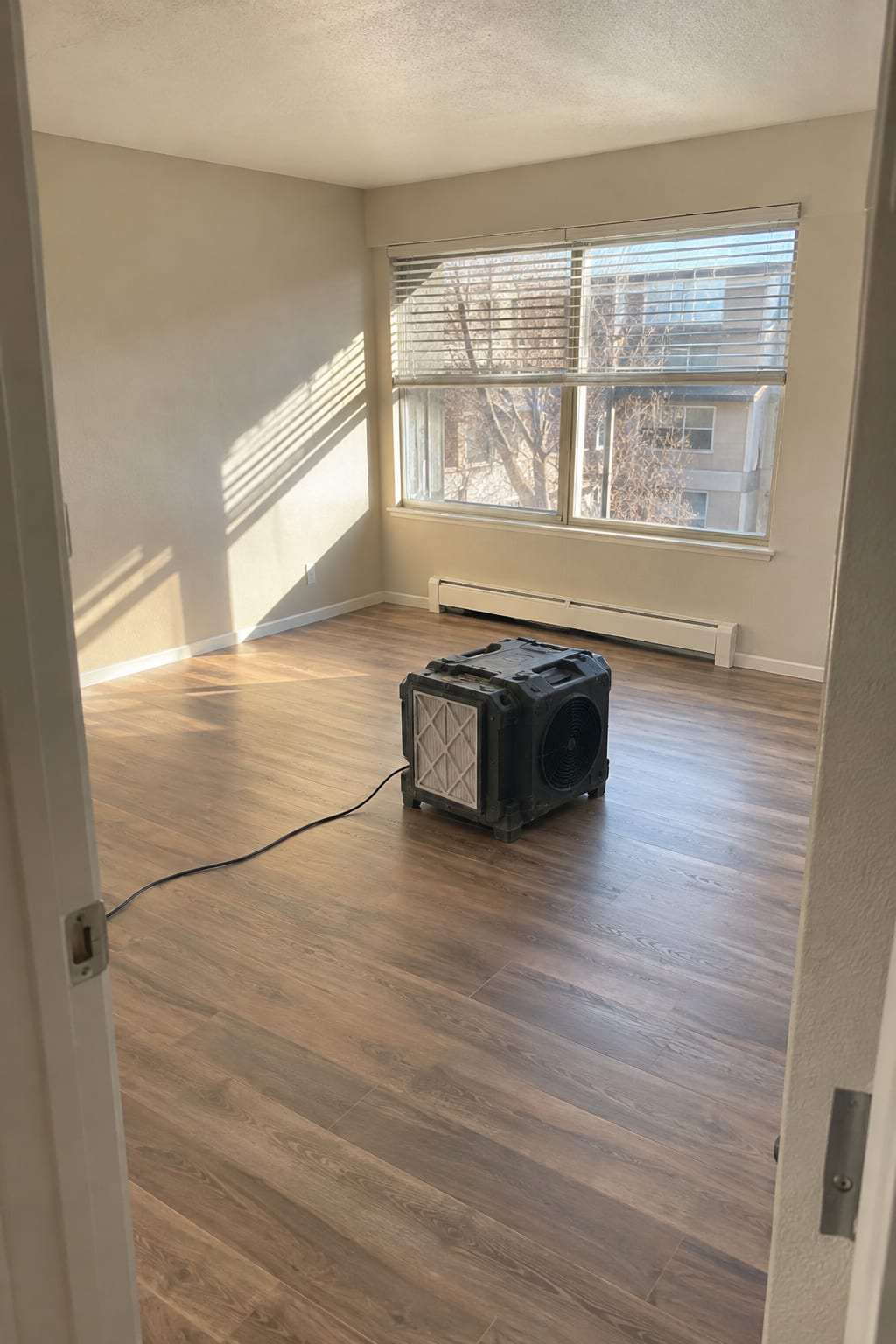
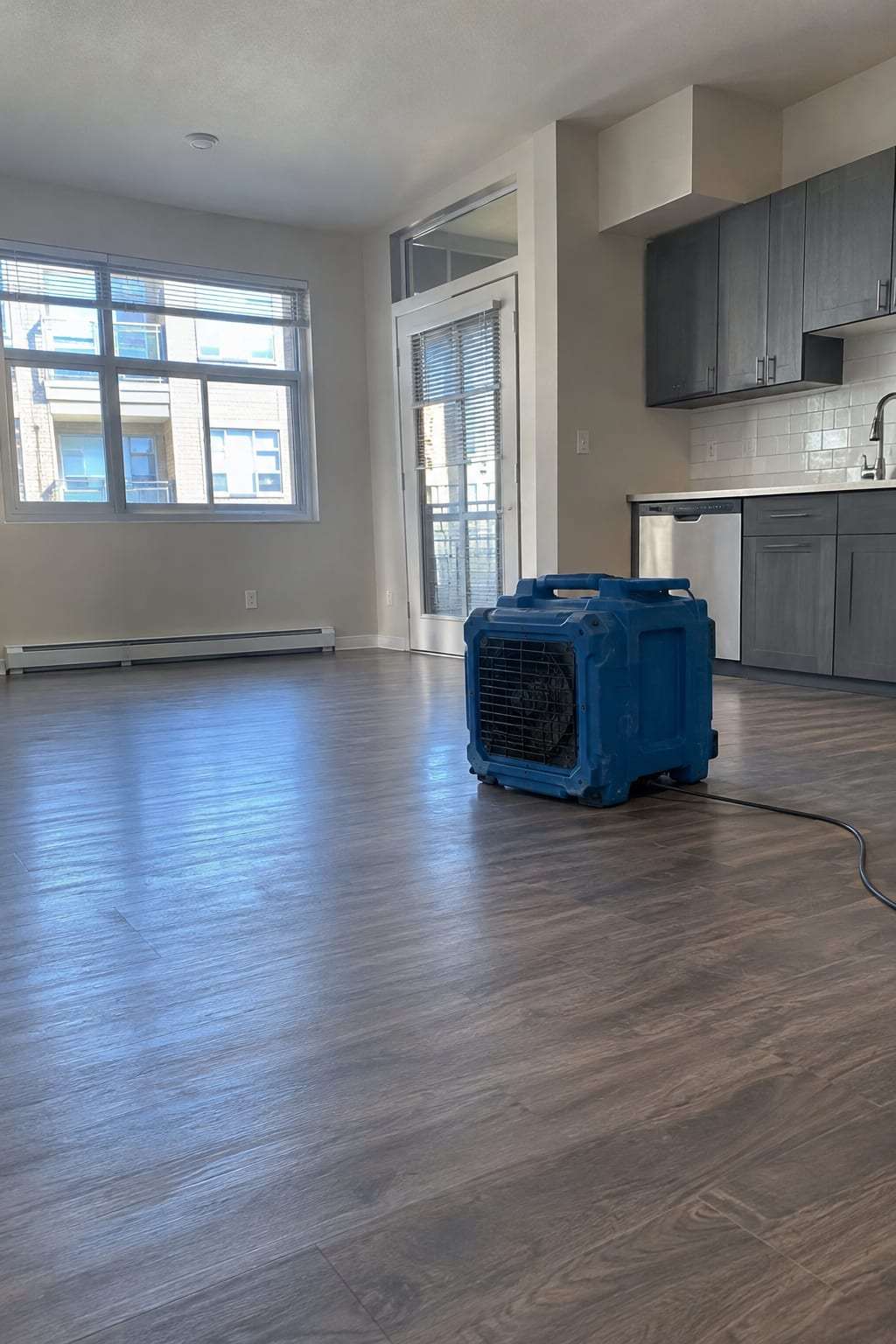
Occupied buildings
Air out, post the door, set a reentry time
In an apartment building, a whole-unit treatment involves the neighbors. Ask how the unit's vents and door gaps get sealed while it runs, who posts the door, and when maintenance staff can go back in.
Bring up shared HVAC at the assessment, not the morning of the treatment.
Centennial's apartment stock, briefly
Centennial incorporated in 2001 and is mostly single-family neighborhoods, with apartment communities grouped along Arapahoe Road and I-25. Most of those communities are professionally managed on standard turn calendars.
For those teams, a vendor who understands make-readies, scheduling and unit records can cut vacant days and repeat complaints. Ask about all three before you sign.
- Most of Centennial's apartment communities sit along Arapahoe Road and I-25.
- Settle how on-site maintenance will handle access before you book a treatment.
- Give your unit count and turn calendar with any quote request.
- Communities in Greenwood Village, Englewood and Littleton run on similar turn calendars.
ZIP codes served: 80112 (Englewood), 80111 (Englewood), 80122 (Littleton), 80121 (Littleton), 80015 (Aurora), 80016 (Aurora).
Also nearby: 80124, 80130, 80237, 80126, 80014, 80231, 80113, 80222, 80120, 80129, 80224.
Guides and checklists
For Centennial property managers and maintenance teams.
Guides18
- Catching odor at the move-out walk before the turn board fills up
- Trash chute and trash room odor in interior-corridor apartment buildings
- Compactor and dumpster enclosure odor at garden-style communities
Frequently Asked Questions
Can odor treatment fit a standard make-ready schedule?
Usually, if it runs before paint and final clean. A whole-unit treatment needs the unit empty plus time to air out, so put both on the calendar.
Do odor vendors work with property management companies?
Many do. Tell them how your community handles work orders and unit access, and ask how they document each unit.
What if the odor returns after the new resident moves in?
A returning smell usually means a source stayed behind, such as a stained subfloor under new carpet. Ask whoever treated the unit what they did and what they would check next.
Will treatment affect neighboring units?
Treatment should stay inside the unit, with the right prep. Ask about shared vents and door gaps in your building before you schedule.
Should we use fragrance to cover the smell?
No. Fragrance masks odor and leaves the source in place. Ask any vendor whether they use synthetic fragrance or ozone generators before you hire them.
Can we get pricing for several units at once?
Vendors usually quote multi-unit work by scope. Give your unit count and turn calendar when you ask for a quote.
Can a unit be treated while the neighbors are home?
Surface and enzyme treatments usually can. A treatment that needs the unit empty, such as chlorine dioxide vapor, needs a plan for the building: ask how shared vents and door gaps will be sealed, and when the unit can be aired out and reentered.
Picking an odor vendor for your next turn?
Flag odor at the move-out walk, schedule treatment before paint, and block out air-out time. Then check the vendor yourself and get a written scope for one unit or the whole program.
Describe a unit
This form is not connected. This website is a draft preview: no business has been confirmed to receive requests, so the fields below are switched off and nothing can be sent. In an emergency, call 911.